


Join us for a rather obscure conversation as we take a shadowy detour through the etymology of eclipses and the lunar nodes.
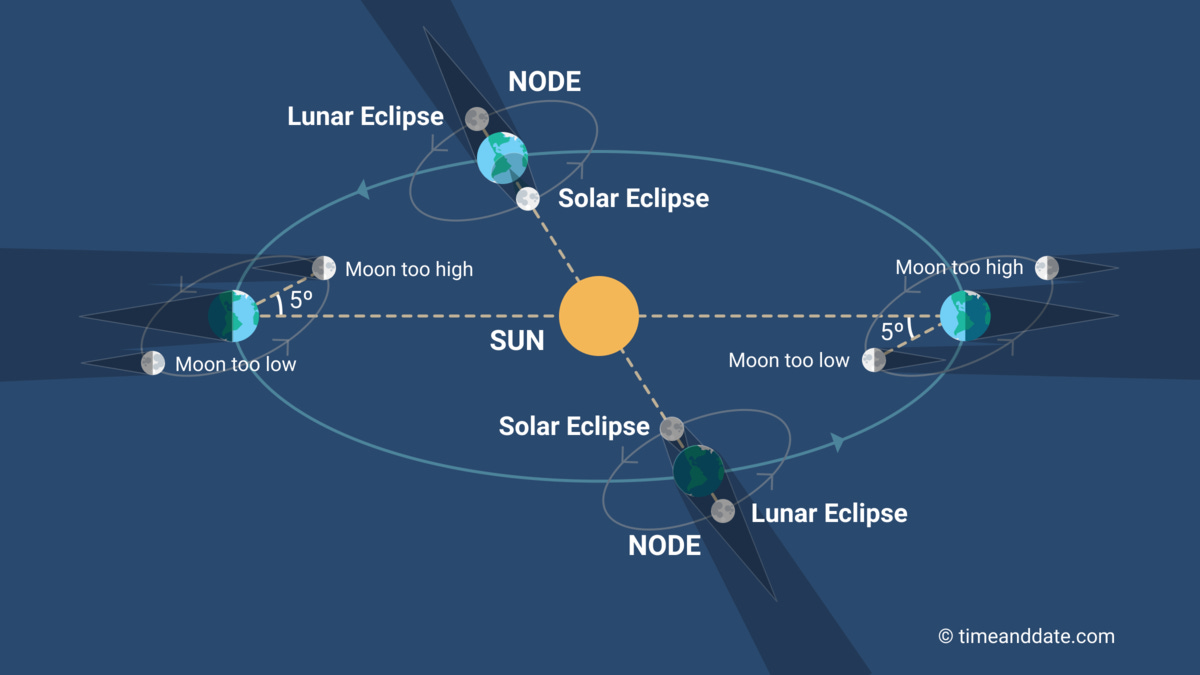
The lunar nodes are said to be shadow planets, which we are allowed mere glimpses of every six months or so. Throughout history, and even today, eclipses are said to be ominous events which portend great tragedies, coups, or other forms of uprooting power.
Part of the etymology of eclipses is about abandonment, specifically the abandonment of one’s roles or responsibilities—or even their positions of power. False kings would be put in place of real kings during eclipses, as a preventative measure against assassination or kidnapping attempts. Even though it was an act of protection for the king’s people to hide away their leader, it still required the king to “abandon” his throne, temporarily.
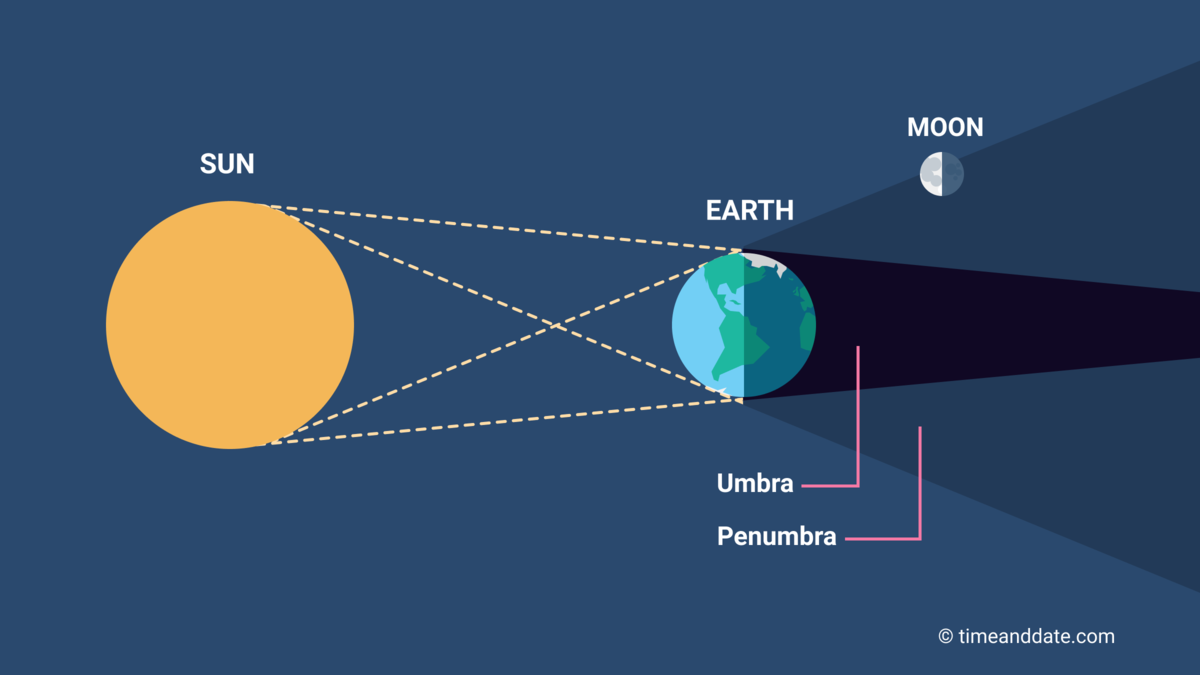
The sun and the moon are the king and queen of the skies, so to speak, so whenever they align with the earth along the lunar nodes to create eclipses, they abandon their usual roles. Even in a penumbral eclipse, where the shadow is incomplete or less opaque than a total eclipse, the sun and the moon take on unique shapes and colors that we don’t expect to see from them.
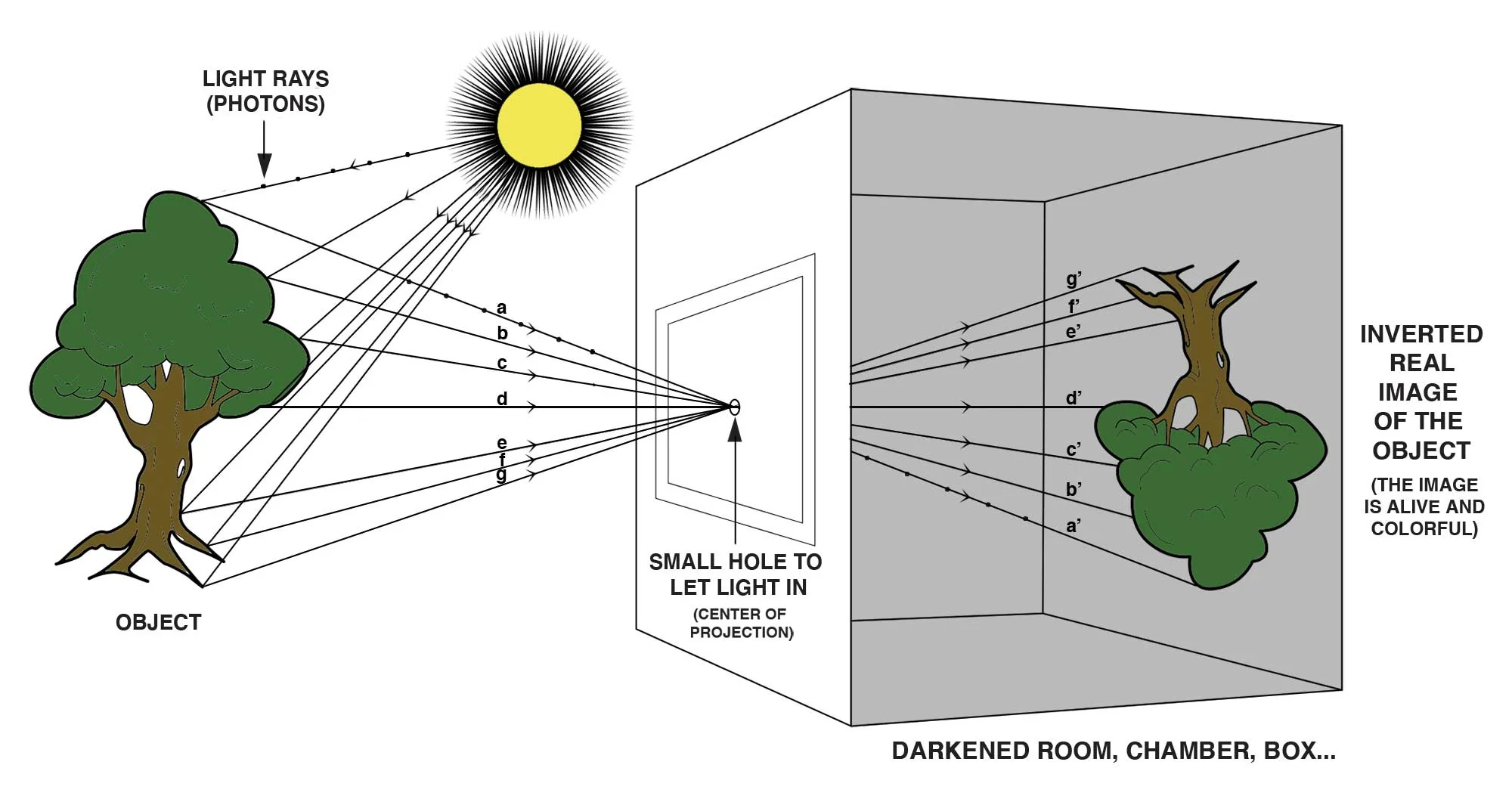
The moon and the sun, in astrology, also represent the eyes. Long ago, it was said that the right eye (sun) casts out rays of sight while the left eye (moon) receives them. Eclipses upend our expectations of how the sun and the moon are supposed to look… and act. However, even the way the human eye actually works is quite literally upside-down: our eyes are the original pinhole camera, or camera obscura.
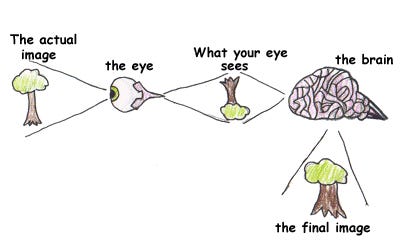
Omens are also about expectations, in a sense, and eclipses are viewed as harbingers of omens due to their irregularity. While it’s easy to feel a sense of foreboding about eclipses, it doesn’t have to mean disaster will strike your life twice a year. Because eclipses are also part of the lunation cycle, they can be seen as chapter markers in your life, each nodal cycle highlighting a different dichotomy in your natal chart and in your life.
The nodes, often represented by the head and the tail of a dragon and referred to as Rahu and Ketu, are those “shadow planets” which don’t actually exist in material space, but are always working behind the scenes and digesting different stories as they unfold in the undercurrents of your life. This also makes sense because digestion itself is a process we don’t typically get to see—we only see the beginning and the end of the story, so to speak. The same can be said of the lunar nodes.
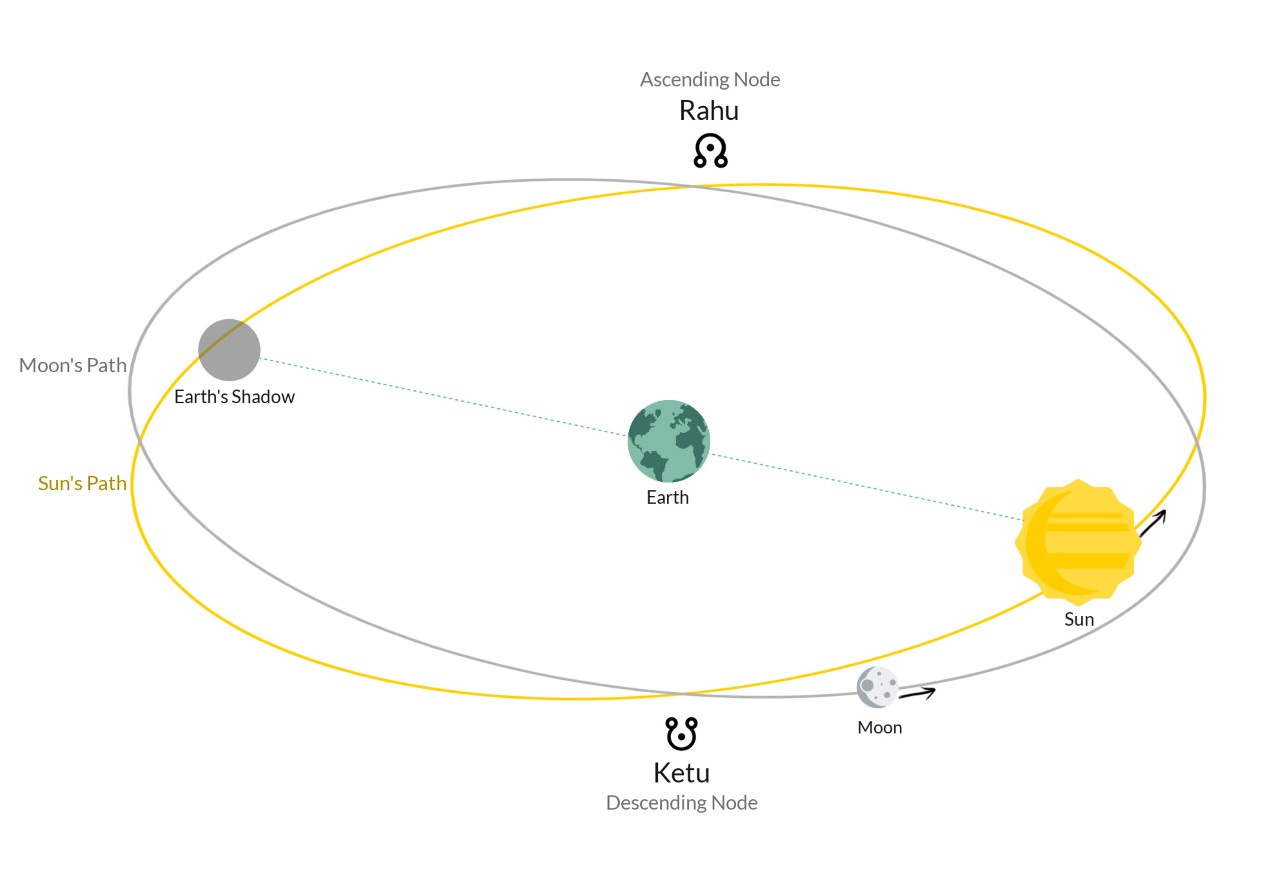
The concepts of absence and hollowness and shadows make sense for eclipses as well, because there are certain times when the moon completely covers the sun, leaving a ring of light where the sun should be—the sun has been hollowed out. This is also referred to as an annular eclipse, because the ring formed by the moon covering the sun resembles… well, an anus.
Some Proto-Indo-European roots that pertain to eclipses and the lunar nodes:
*leikw- “to leave” - related to Sanskrit “inheritance, wealth,” found in words such as delinquent, derelict, eleven, twelve, ellipse, ellipsis, elliptic, loan, relic, relinquish
*bheudh- “be aware, make aware” - found in bid, bode, Buddha, forbid, foreboding
*(s)keu- “to cover, conceal” - found in words like chiaroscuro, cunnilingus, custody, cuticle, cyto-, hide (as in both animal skin and being hidden), hoard, huddle, hut, obscure, skim, sky
*kel- “to cover, conceal, save” - found in apocalypse, Calypso, calyx, ceiling, cell, cellular, clandestine, color, eucalyptus, helmet, hole, hollow, kleptomania, occult, Valhalla
*gwora- “food, devouring” - found in carnivore, devour, gorge, omnivorous, voracious, -vore
*ned- “to bind, tie” - found in words such as annex, connect, denouement, net, nexus, node, nodule


